
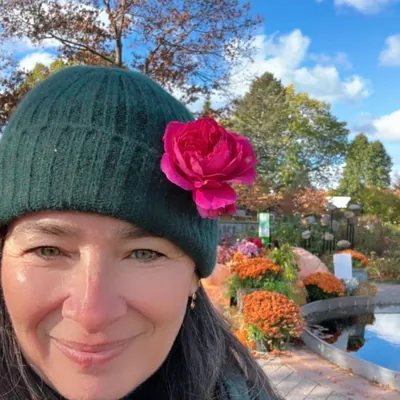
 Today
Today02 / One of six
She draws people.
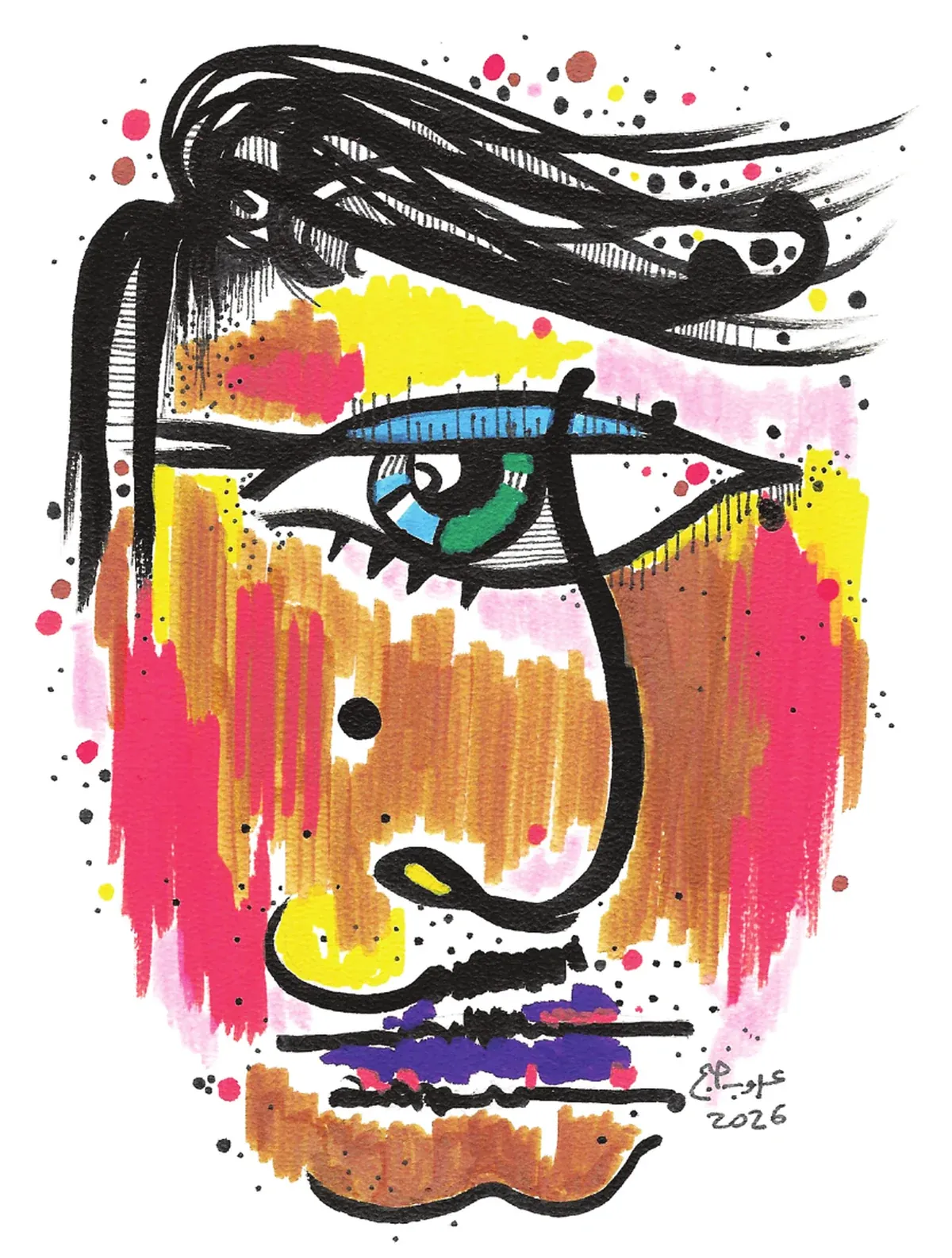
Six of them are printed. The rest are yours to ask for.
See the six cards →NEXT / The balcony ↓03 / The balcony
She was ten.

Her mother hung the drawings on the balcony and invited the neighbours' children.
NEXT / On air ↓04 / On air
1993. Live.
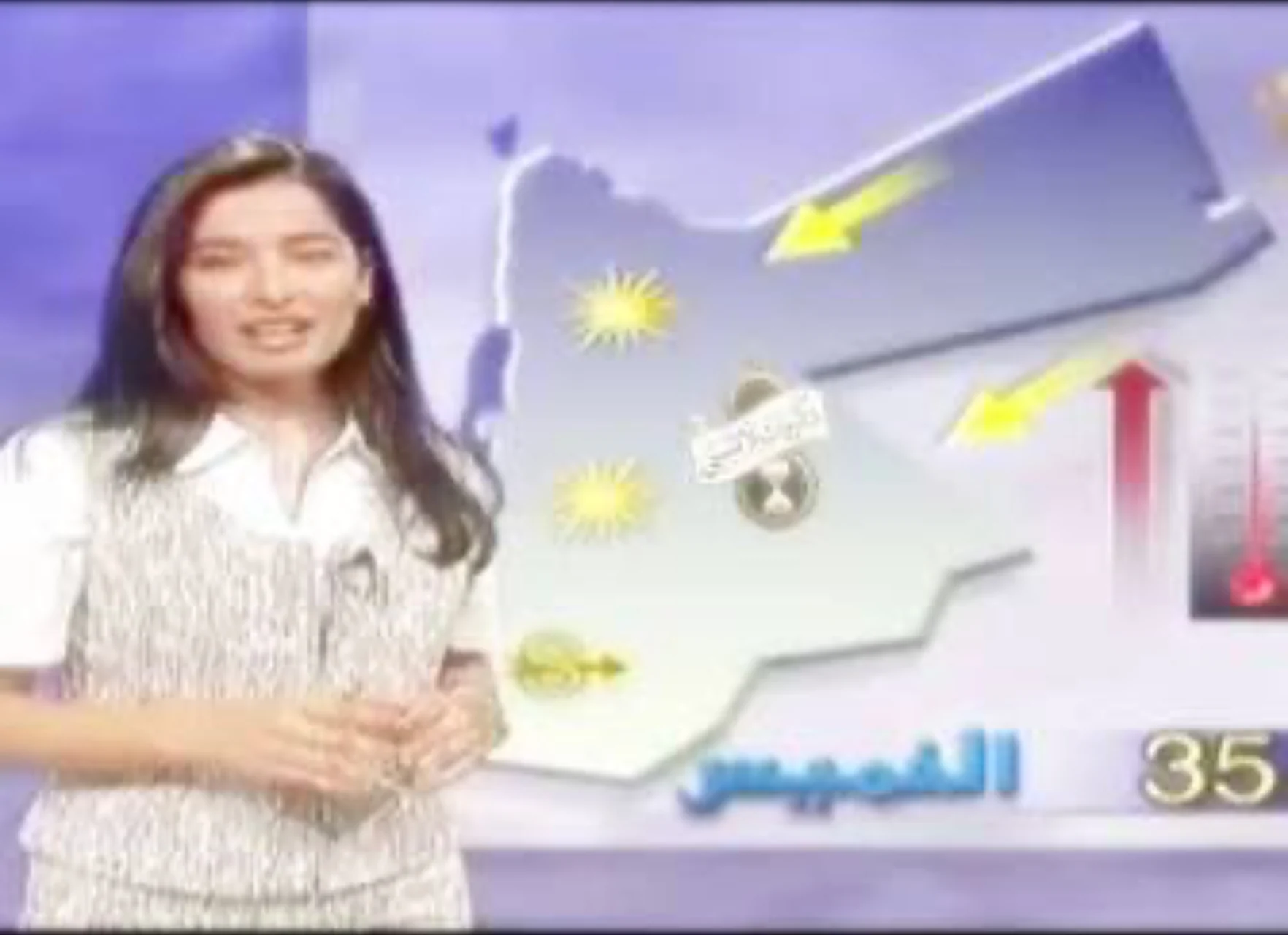
Jordan Television, mornings. Yis'ad Sabahak, the breakfast programme: the weather map of Jordan behind her, live, before anyone knew her name.
Two years later, the children called.
NEXT / The move ↓05 / The move
Then she moved.
In Jordan the name carried thirty-three years. In Canada nobody had heard it.
This page carries it.
NEXT / One act ↓06 / One act
Thirty-three years making other people visible. Now she draws them.
A balcony, a screen, a ballot, a microphone, a sheet of paper. The same act.
Read the record first →NEXT / 1993 ↓07 / 1993
A fine arts graduate went on air.
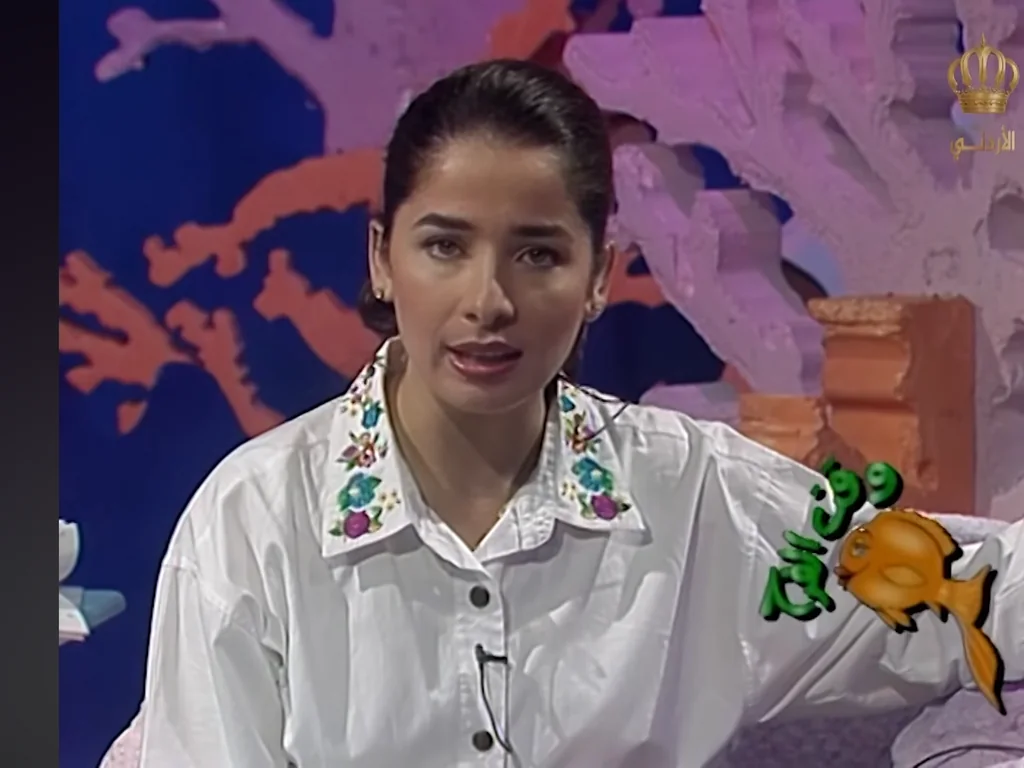
Yarmouk University, interior design, class of 1994. Before the degree was finished she had drawn a bedroom's furniture for her first employer, Abu Issam Hijazi, worked for the engineer Mahmoud Qadadeh, and designed a house for Marwan Al-Bitar.
In 1993 Jordan Television put her in front of children: Studio Al Atfal, then the quiz show Bisat Al Reeh.
NEXT / The names on the phone ↓08 / The names on the phone
Two hours. Live. A child's name, then the next.
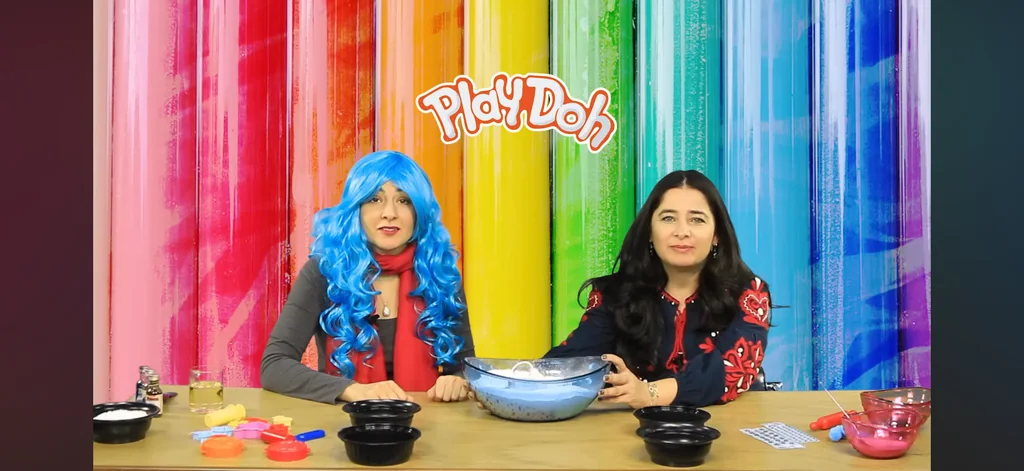
Waqt Al Farah, 1995 to 1999 on Jordan Television. Among the first live children's programmes in the Arab world. Five years of it. Gold Award, Cairo Arab Media Festival, 1997.
The people who opened the door: Emily Zabaneh, Zahia Annab, Nasser Judeh.
NEXT / Gold ↓09 / Gold
1997. Gold.
Gold Award, Cairo Arab Media Festival.
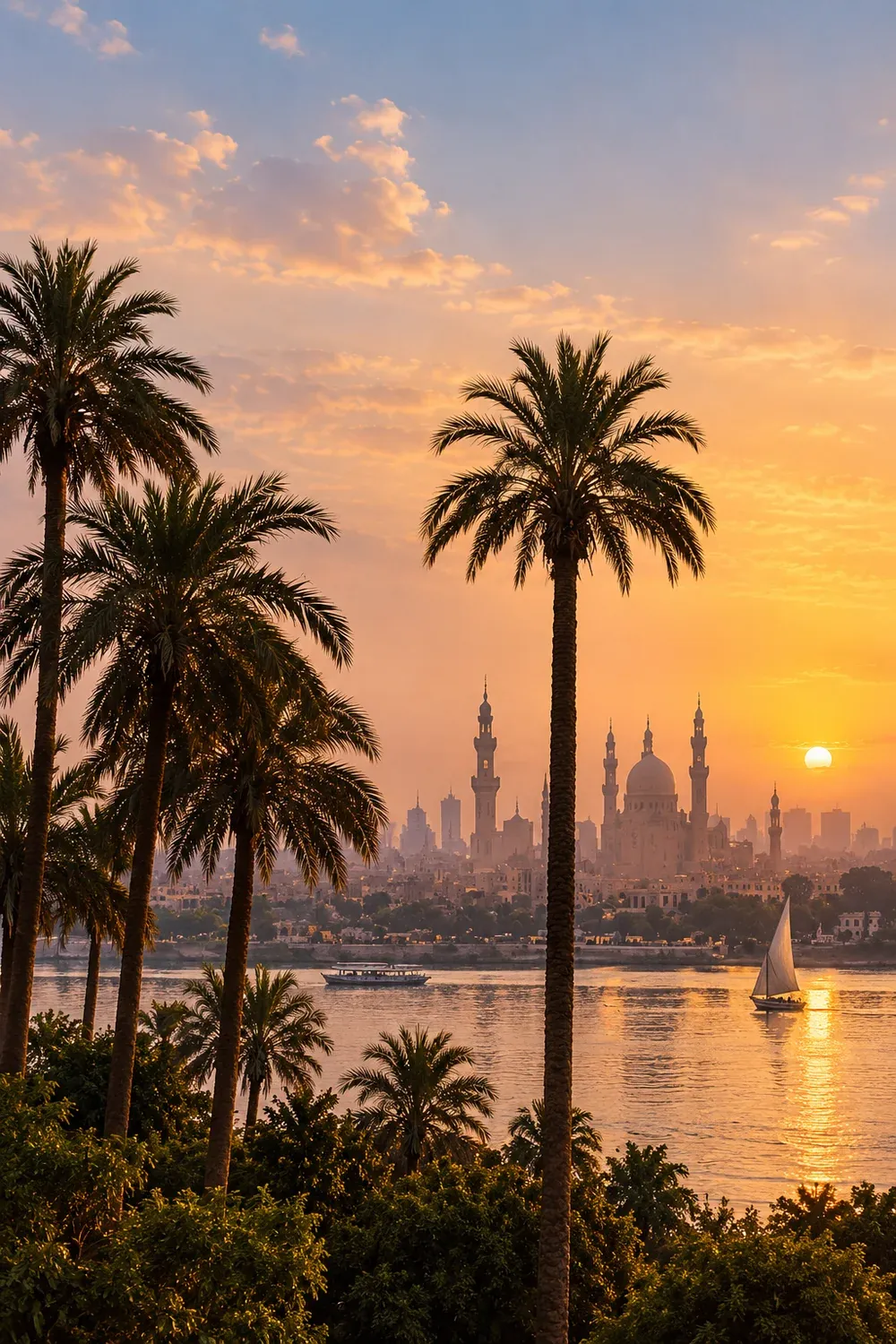
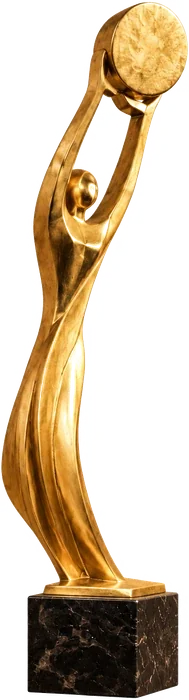

A children's programme from Amman, judged the best in the Arab world. Stories travel; so does what they leave behind.
NEXT / Half a million ↓10 / Half a million
500,000 dinars.
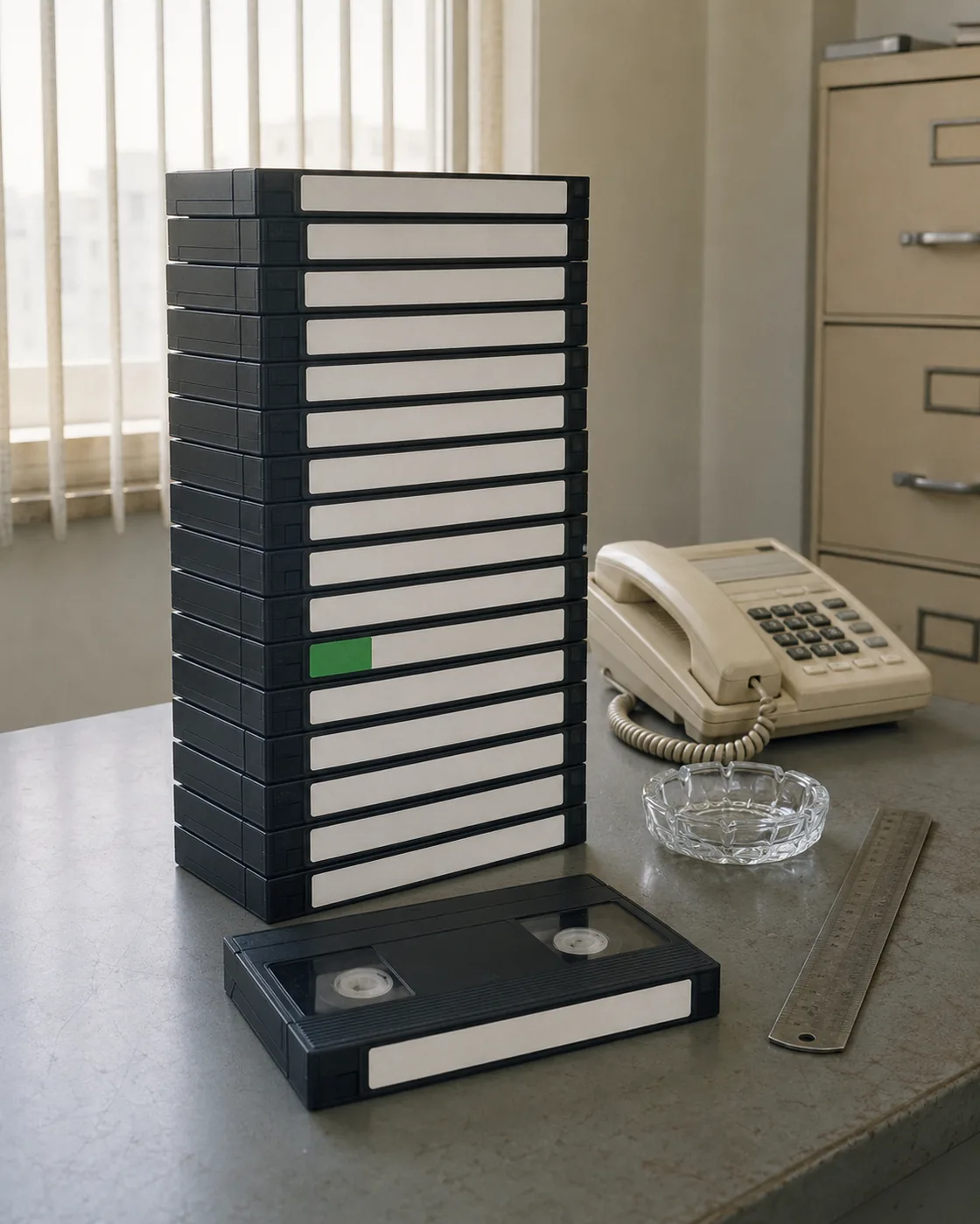
1998. Jordan Television sold the programme to ART. She went with it, and Mohammad Al-Kabli met her there. The name changed to Awqat Al Farah. The word she kept was joy.
NEXT / The spirit ↓11 / The spirit
Fame changed everything but one thing.
Her name reached every door in Jordan before she did. What the years did not touch, in her words:
Her words
«الشهرة غيّرت شكل حياتي تماماً.»
Being known in Jordan changed the shape of my life completely.
«كل تجربة مريت فيها غيّرتني بشكل أو بآخر. الشي الوحيد اللي ما تغير هي الروح الثائرة.»
Every experience changed me one way or another. The one thing that never changed is the rebellious spirit.
12 / The screens after
Teenagers. Quiz shows. A cartoon called Hugo.
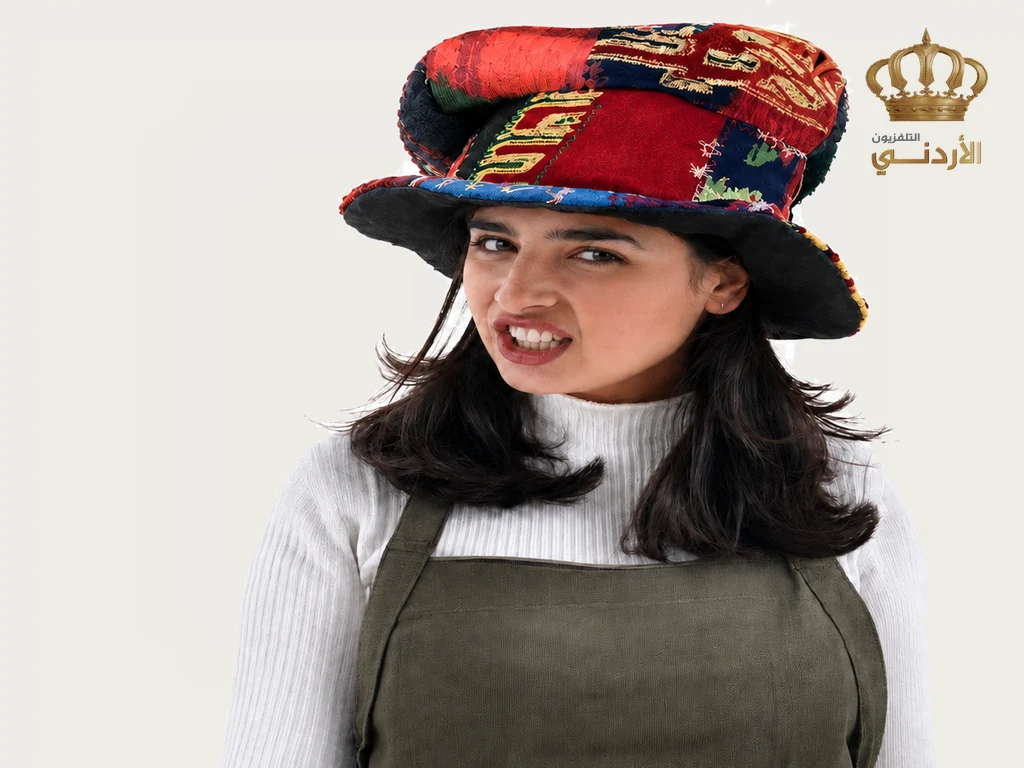
Saet Shabab, the first Jordan Television programme made for teenagers. Asra' Ashtar Afya' and Il'ab ma' Hugo on ART Teenz. Shabab 21 with Iyad Nassar, recorded before a live audience at the Royal Cultural Centre. Episodes in Rabat, Cairo, Dubai, Bethlehem and Jerusalem.
NEXT / The kites ↓13 / The kites
A drawing you put in the sky and let go of.

She founded two kite festivals: Yalla Ntosh in the Dana Reserve, then Tosh w Tayyer Tayyara in Umm Qais. She took Jordanian children to fly kites at Cervia, in Italy, and filmed the programme there.
Something made by a child, shown to everyone, held by a string.
NEXT / The ballot ↓14 / The ballot
2007. She put her own name on the paper.
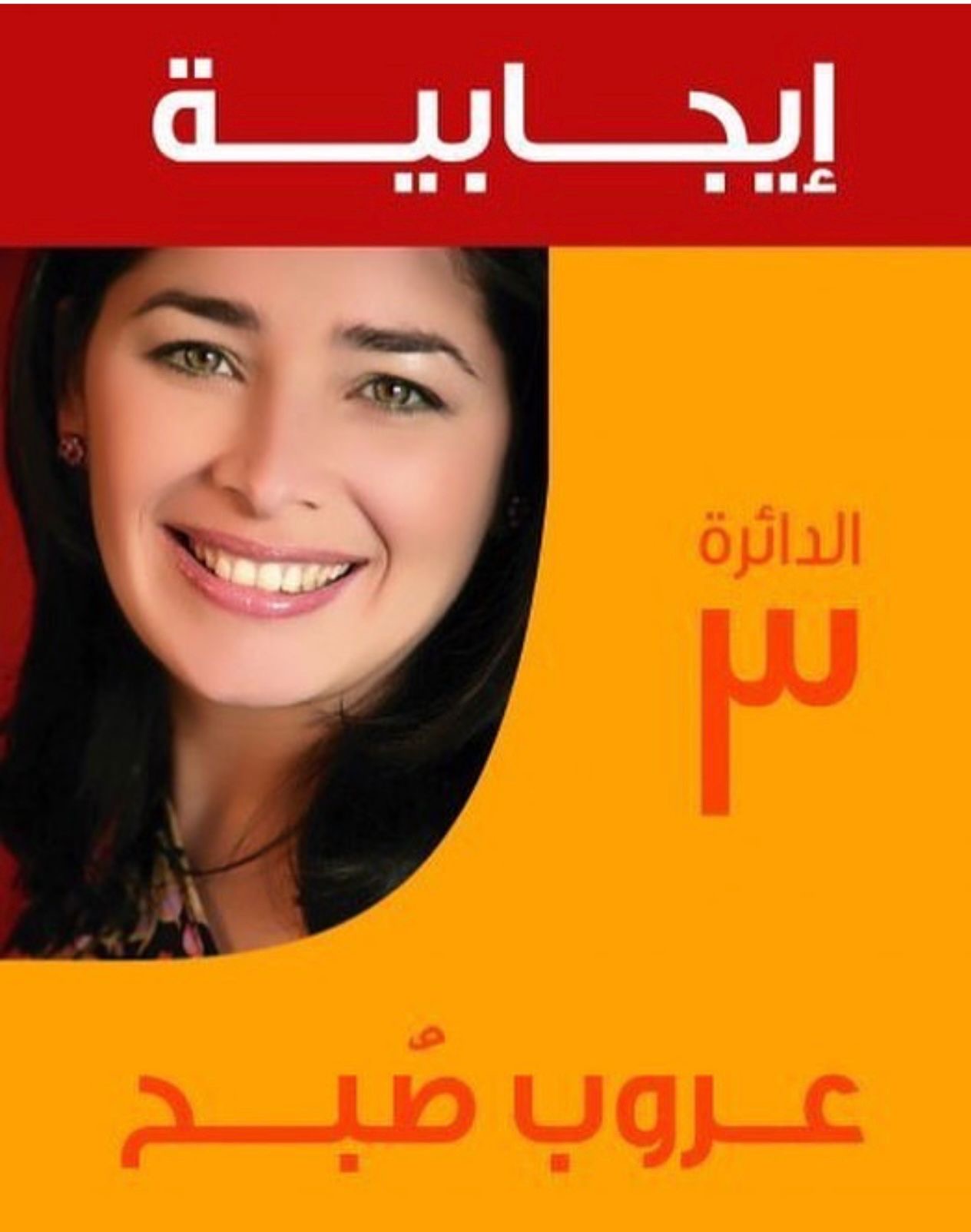
- What it is
- Her campaign poster. Amman, Third District.
- Why it matters
- After fourteen years of asking children to say their names on air, she asked a city to write hers.
- Why this name changes it
- The headline is one word: Positive. A politician's poster carries a promise. Hers carried a mood the country already knew.
15 / A name that passes
A mother's name should reach her child.
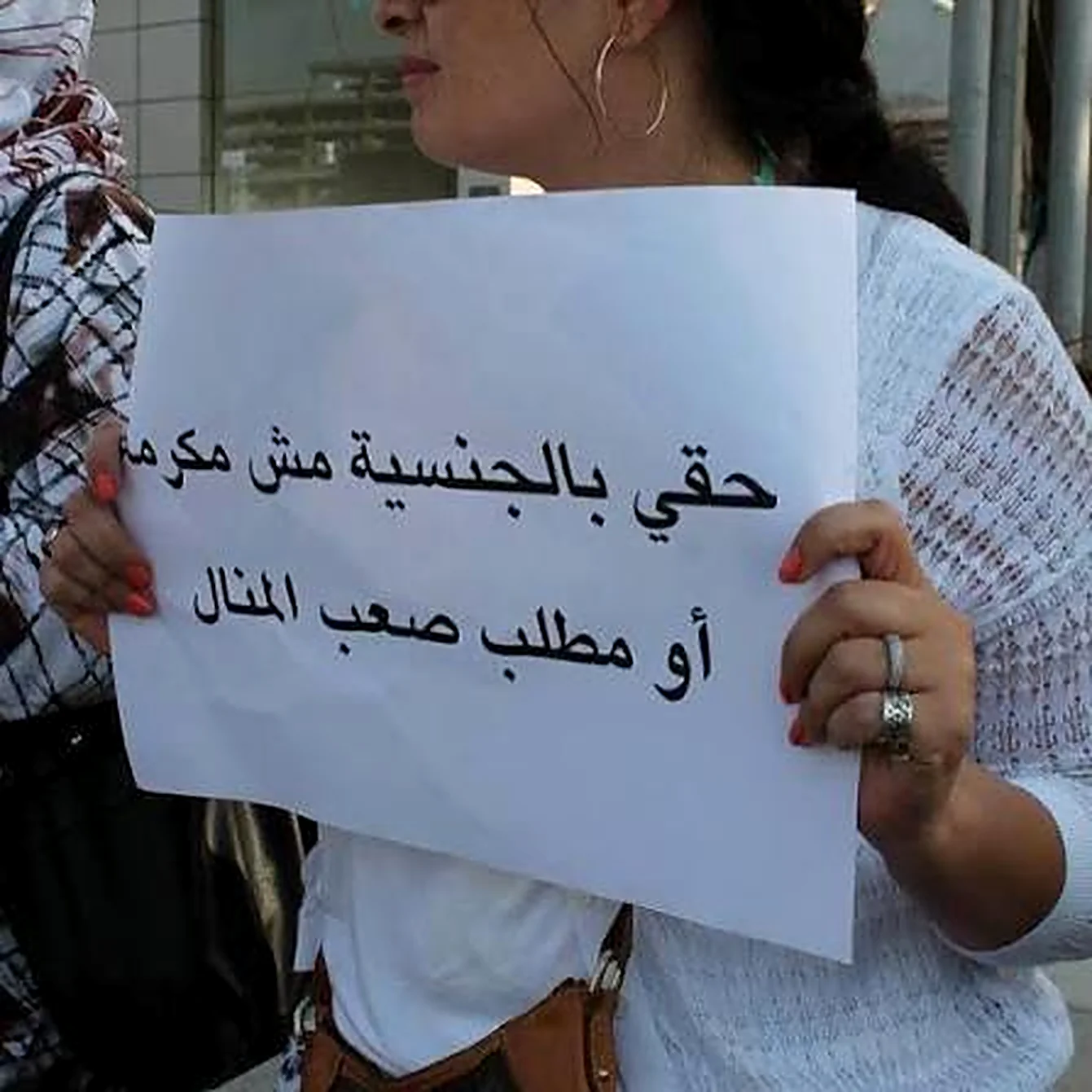
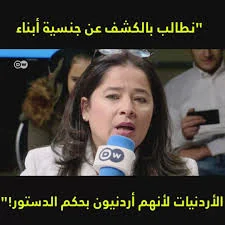
2013. Founding member and spokesperson of My Nationality is a Right for My Family, a coalition of Jordanian women. An MA in human rights and human development, University of Jordan.
Consulting and training with UNICEF, Al Jazeera Children's Channel, the Jordan Media Institute, Euro-Med Human Rights Monitor and the Konrad-Adenauer-Stiftung Young Journalists' Academy.
Her words, on the sign and on camera
«حقي بالجنسية مش مكرمة أو مطلب صعب المنال.»
My right to nationality is not a favour, nor a demand beyond reach.
«نطالب بالكشف عن جنسية أبناء الأردنيات لأنهم أردنيون بحكم الدستور.»
We demand recognition of the nationality of Jordanian women's children, because by the Constitution they are Jordanian.
16 / Three minutes
Since 2013, three minutes a week.
Her voice
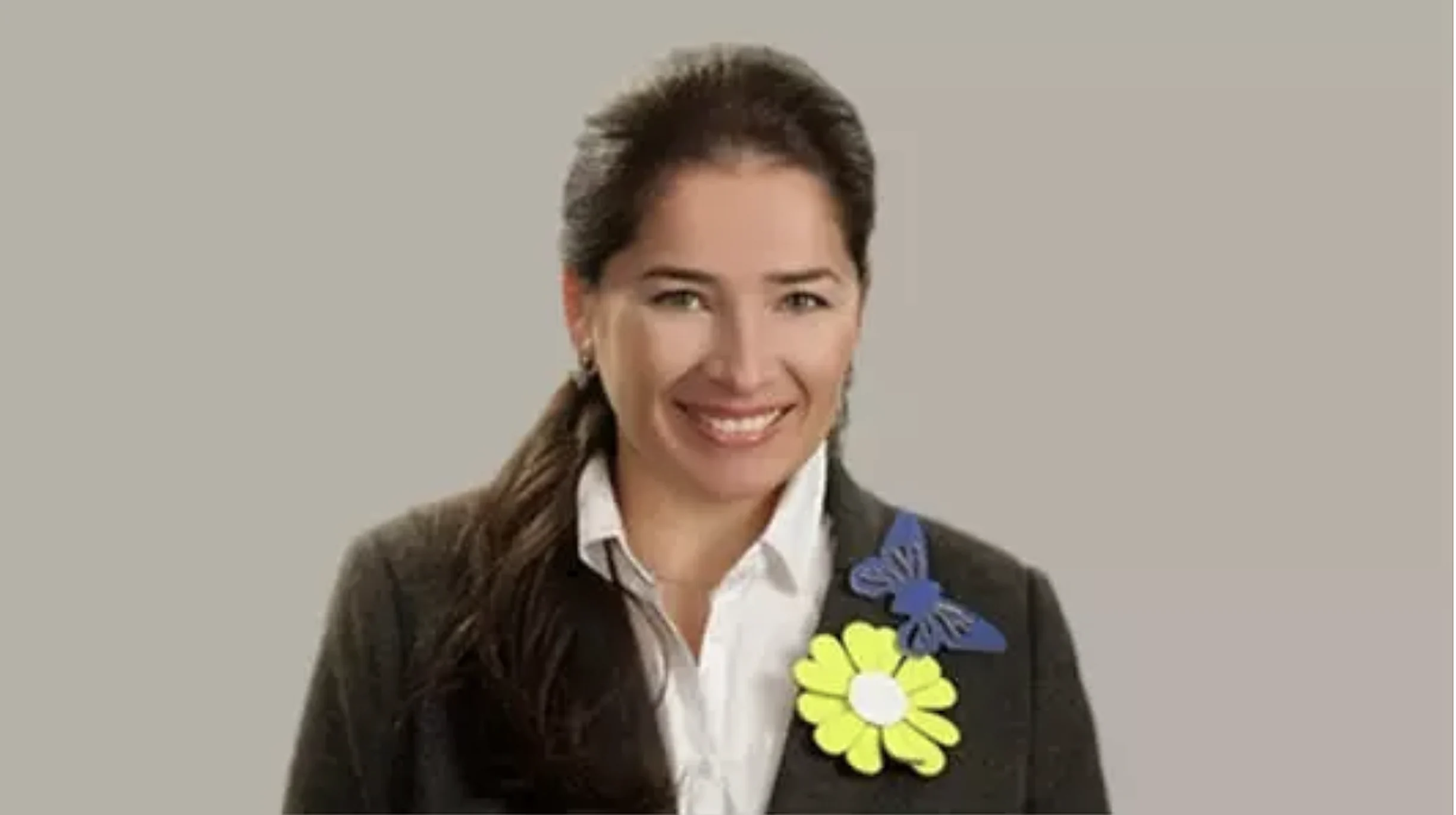
Blog of the Day (مدونة اليوم): a weekly audio commentary in Arabic for Monte Carlo Doualiya, still running. Before it, a column, Kamshet Haki, in Ad-Dustour. Since 2011, analysis for Asahi Shimbun.
How Monte Carlo Doualiya introduces her
«استطاعت أن تبني علاقة تؤثر في جيل كامل من الأطفال الأردنيين والعرب.»
She built a bond that shaped a whole generation of Jordanian and Arab children.
 Her page on Monte Carlo Doualiya ↗NEXT / The numbers ↓
17 / The numbers
The numbers
- 1980The balcony. She was ten.
- 1993Jordan Television. Live.
- 500,000Dinars. The 1998 sale of her programme.
- 2007Her name on a ballot.
- 2013Spokesperson. A mother's name to her child.
- 33Years making other people visible.
18 / The record
The record
Every row below is on the public record or in her own hand. Nothing else.
Television
- 1993
- Jordan Television, live: the weather on Yis'ad Sabahak, the morning programme. Then Studio Al Atfal and the quiz show Bisat Al Reeh. Media courses in France, Canada and Denmark before going on air.
- 1995
- Waqt Al Farah, to 1999. Live, two hours, children phoning in, their drawings shown on air; among the first live children's programmes in the Arab world. Five years.
- 1997
- Saet Shabab with Ayman Al-Zayoud, the first Jordan Television programme for teenagers, to 1998.
- 1998
- Jordan Television sells Waqt Al Farah to ART for 500,000 Jordanian dinars.
- 1999
- ART Teenz. The programme becomes Awqat Al Farah. Kite festivals founded in the Dana Reserve and Umm Qais; episodes filmed at the Cervia kite festival, Italy.
- 2000
- Asra' Ashtar Afya', to 2002. Hosts the "Remember the Innocents" festival in Bethlehem, 15,000 children. Episodes in Rabat, Cairo, Dubai, Bethlehem and Jerusalem.
- 2001
- Shabab 21 with Iyad Nassar, Jordan Television, recorded before a live audience at the Royal Cultural Centre, to 2002. Guest of honour at the children's song festival; the song "Ahla Al-Kalam".
- 2003
- Il'ab ma' Hugo on ART Teenz, to 2004. Returns to Jordan Television with Waqt Al Farah for the reading campaign "Shu Al-Qissa?".
- 2005
- ATV, lead writer and presenter, to 2009.
- 2015
- Waqt Al Farah returns on YouTube, sponsored by the Abdul Hameed Shoman Foundation, to 2017. Children's stories with We Love Reading, to 2017. Women's affairs consultant, Euro-Med Human Rights Monitor, to 2019.
Awards
- 1997
- Gold Award, Cairo Arab Media Festival, for Waqt Al Farah. Second prize, children's drama, Tunis, for Al-Fanous Al-Sihri.
- 2016
- Certificate of appreciation, Jordanian Ministry of Culture, contribution to children's culture.
- 2017
- Shield of honour, Omani Ministry of Information, contribution to Arab children's culture.
- 2018
- TEDxYU, "Women in the Middle East".
Design and study
- 1980
- The balcony. Her mother hangs her drawings; the neighbours' children come. She is ten.
- 1994
- Yarmouk University, Faculty of Fine Arts, interior design. Furniture drawings for Abu Issam Hijazi; work with the engineer Mahmoud Qadadeh; a house for Marwan Al-Bitar in Dabouq.
Public life
- 1995
- Board member, Friends of the Environment Society, Jordan, to 1998.
- 2006
- Youth conference director, Karama Human Rights Film Festival.
- 2007
- Candidate for Parliament, Amman Third District.
- 2013
- Founding member and spokesperson, My Nationality is a Right for My Family. MA in human rights and human development, University of Jordan.
Radio and writing
- 2003
- Weekly column "Kamshet Haki" in Ad-Dustour, eighteen months.
- 2011
- Analyst and contributor, Asahi Shimbun.
- 2013
- Weekly Arabic audio commentary for Monte Carlo Doualiya. Still running.
Consulting
- 2004
- Media consultant, MBC children's programmes and "Kalam Nawaem".
- 2010
- Drama content consultant, Al Jazeera Children's Channel, to 2012. Media consultant, Jordan Media Institute, to 2011. Advisory board, Raneen audio library for children.
- 2017
- Trainer, Konrad-Adenauer-Stiftung Young Journalists' Academy, to 2019. Trainer, Penal Reform International, children's rights in the media, to 2018. Consultant, UNICEF, media campaigns for children in Jordan and the region.
Canada
- 2024
- Lake Ontario. Drawing people: one person, one relationship, one name at a time. The First Six cards. Commissions.
- 2026
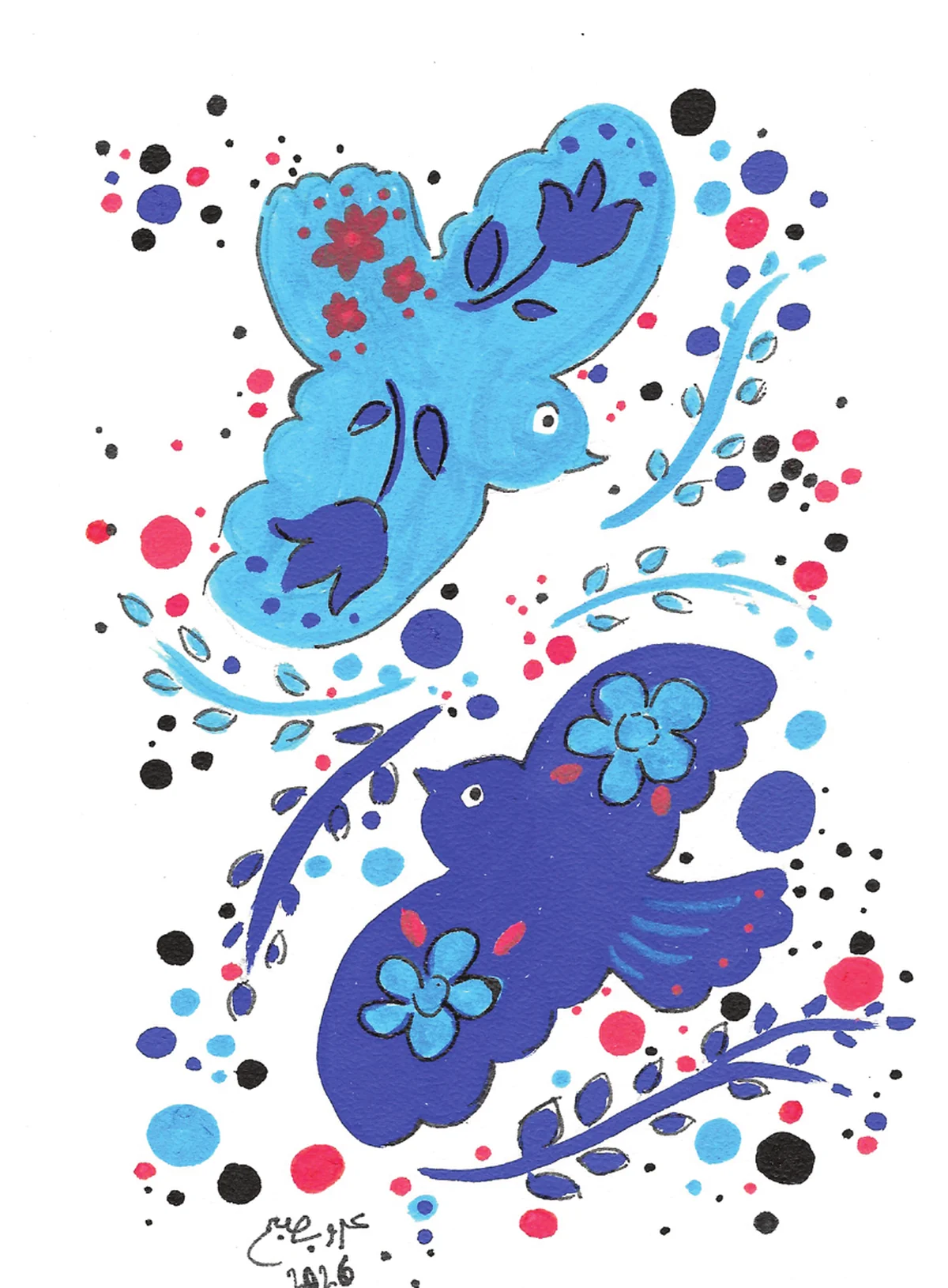
- The painted floor at the doorway of her sister's Seela Salon, Matthews, North Carolina: two cobalt birds. The salon's clients asked for the drawing on a card; The First Six followed.
19 / The children
The biggest step was not a screen.
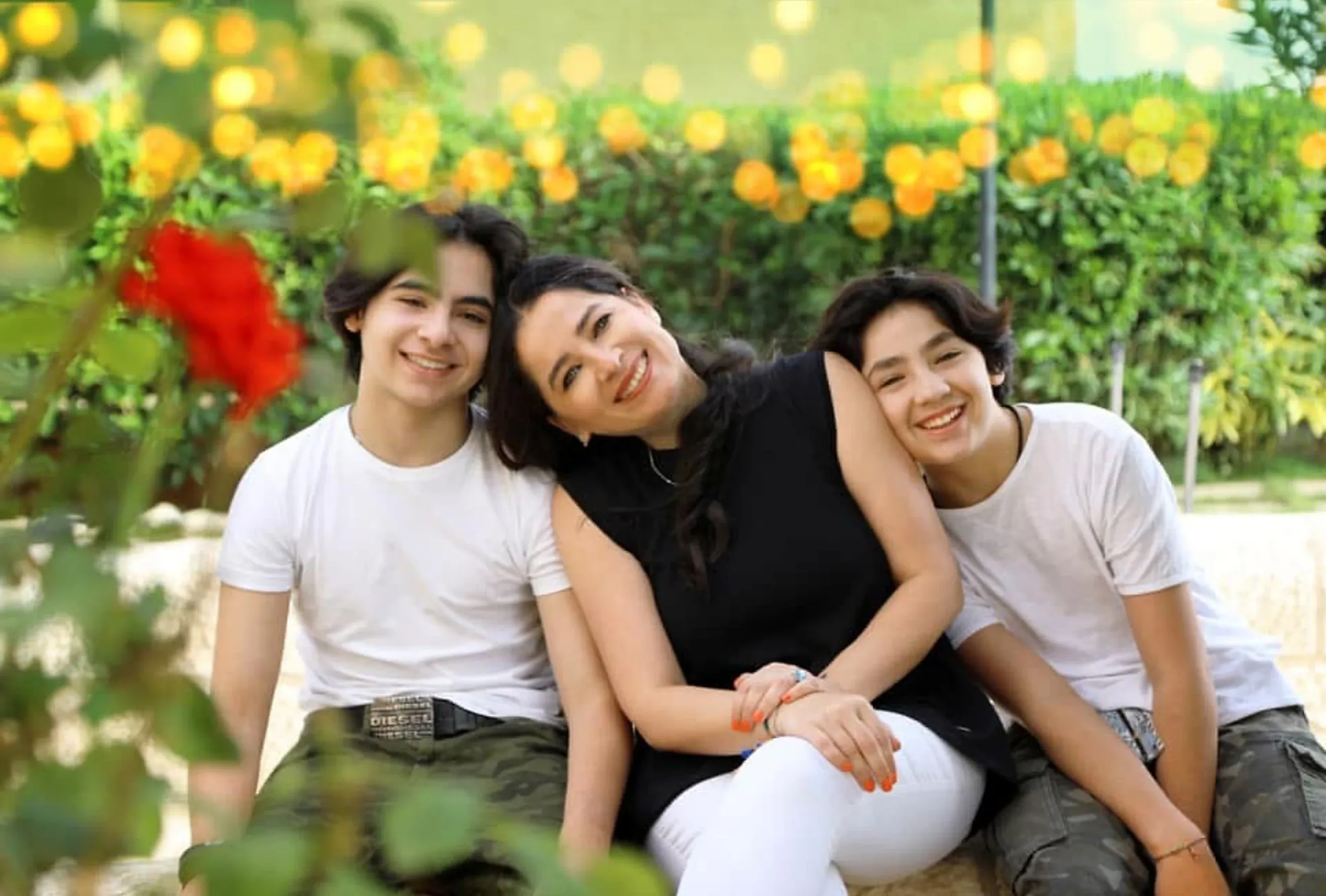
A country that had never heard her name, chosen for the two who knew it best: her sons, Hisham and Tareq. She left the recognition behind so that they would have a future, and called it the biggest step of her life.
Hisham, Aroub, Tareq. The same lean, years apart.
Her words
«أكبر خطوة هي الأمومة، وكنت خايفة منها كثير.»
Motherhood was the biggest step, and the one I feared most.
20 / A different light
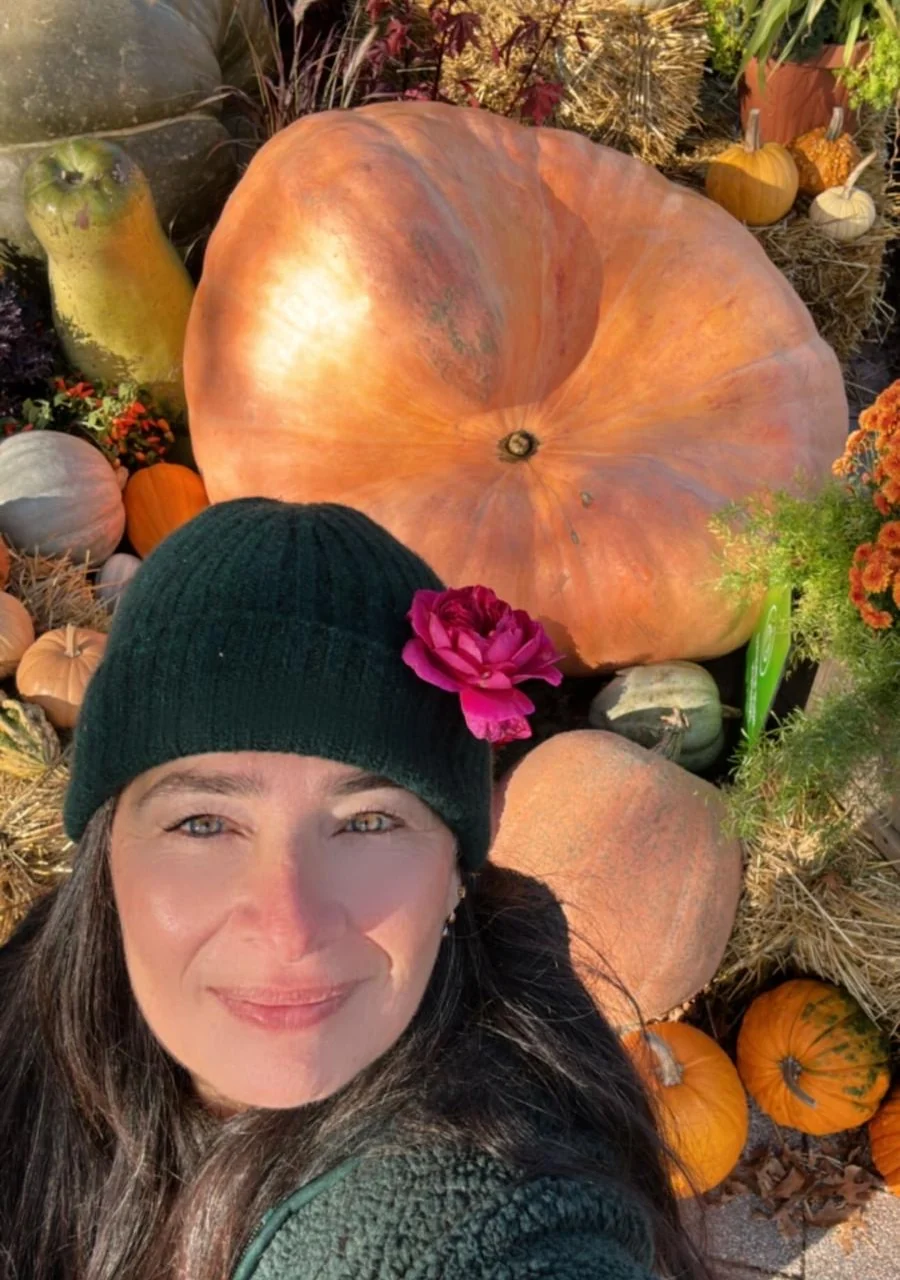
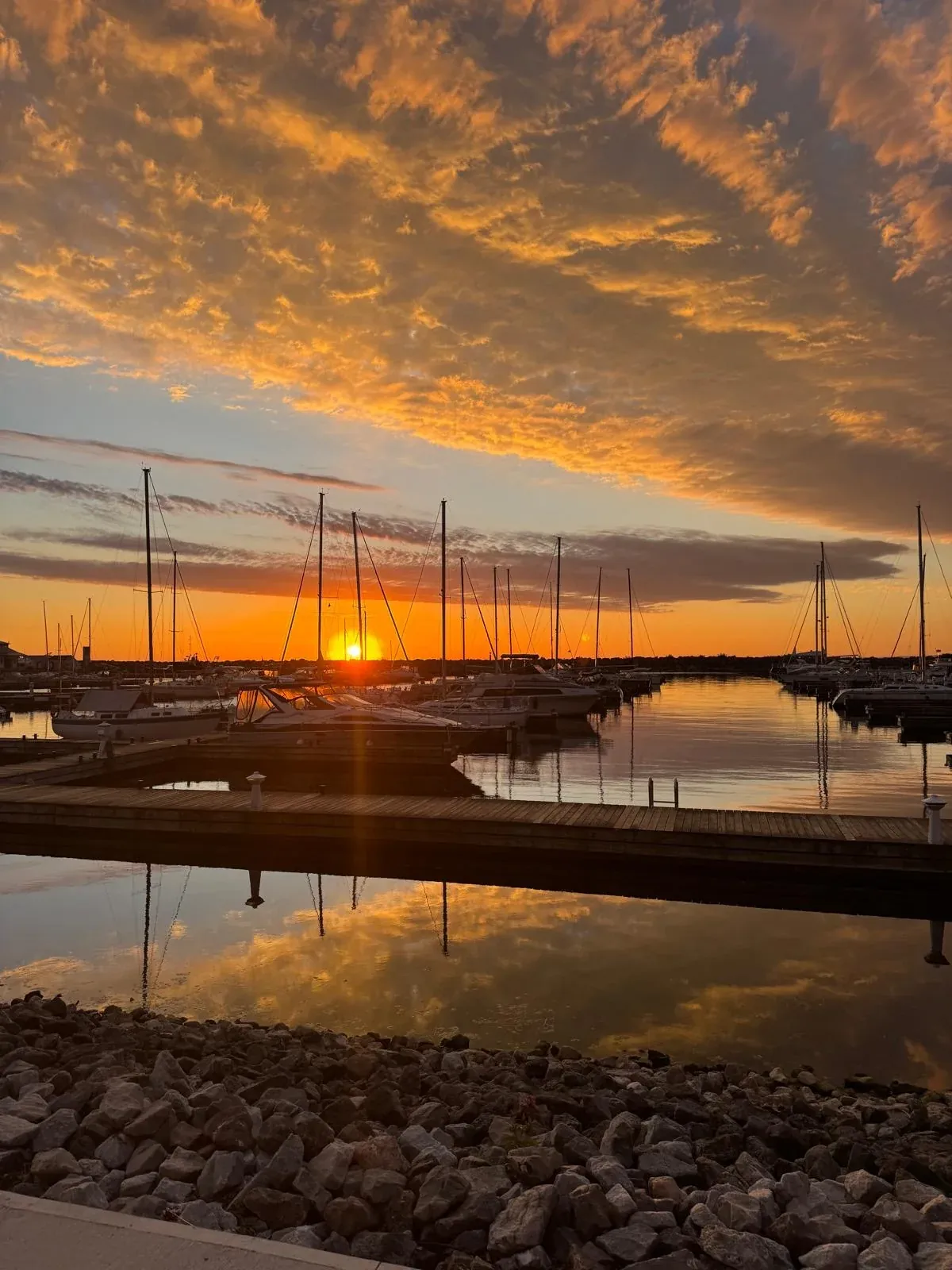
Canada. Lake Ontario.
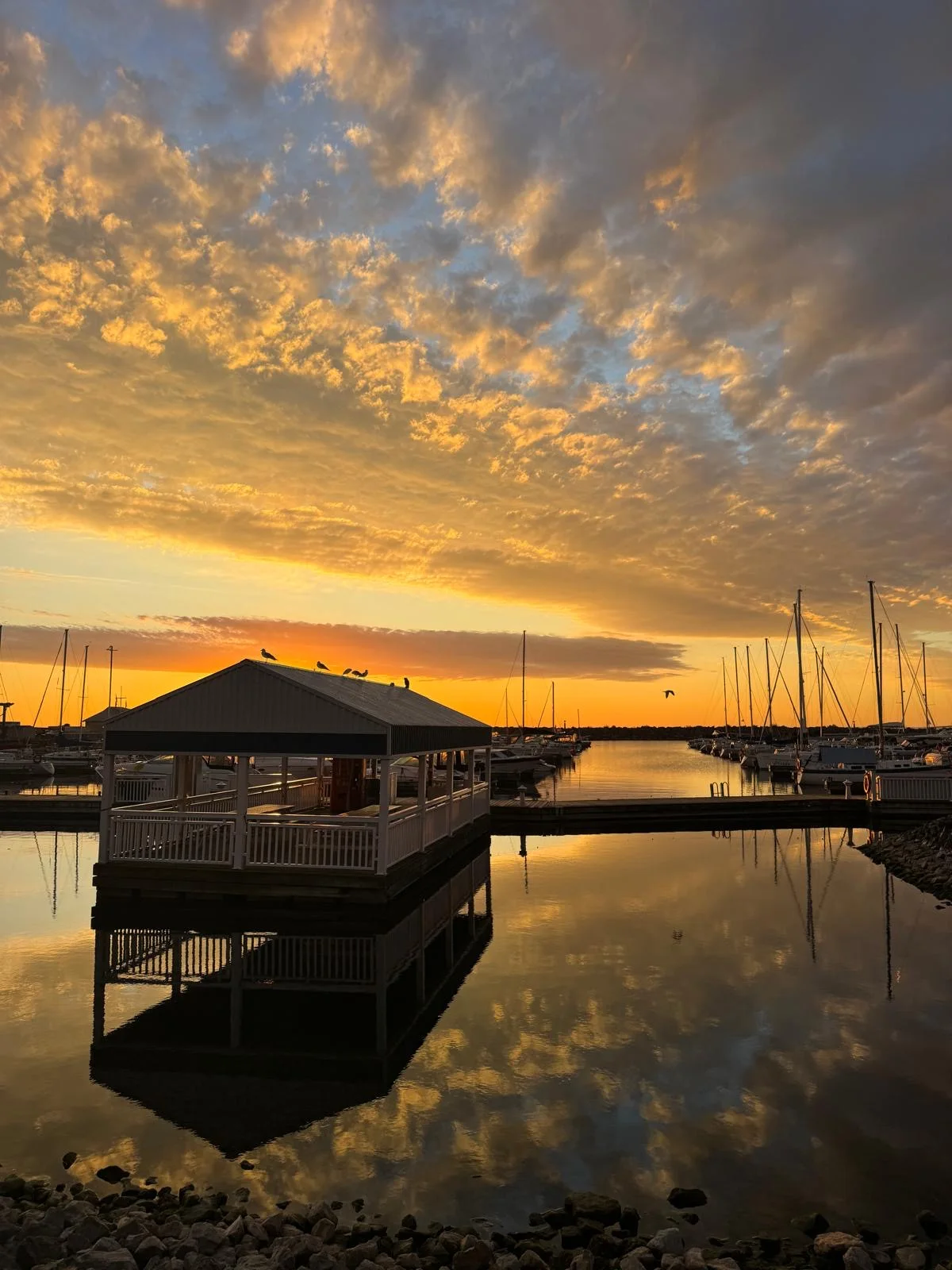
A country that did not know her, and a light unlike Amman's. She went back to the page.
21 / What became what
What became what
- A balcony became a screen.
- The screen became a ballot.
- The ballot became a voice.
- The voice became a sheet of paper.
- The paper is the one thing that was hers from the start.
22 / The job
The job
TELEVISION. CHILDREN. PUBLIC LIFE. HUMAN RIGHTS. RADIO. DRAWING.
DIFFERENT MEDIUMS. SAME INSTINCT.
PEOPLE. Always people.
23 / The exhibition never closed
The exhibition never closed.
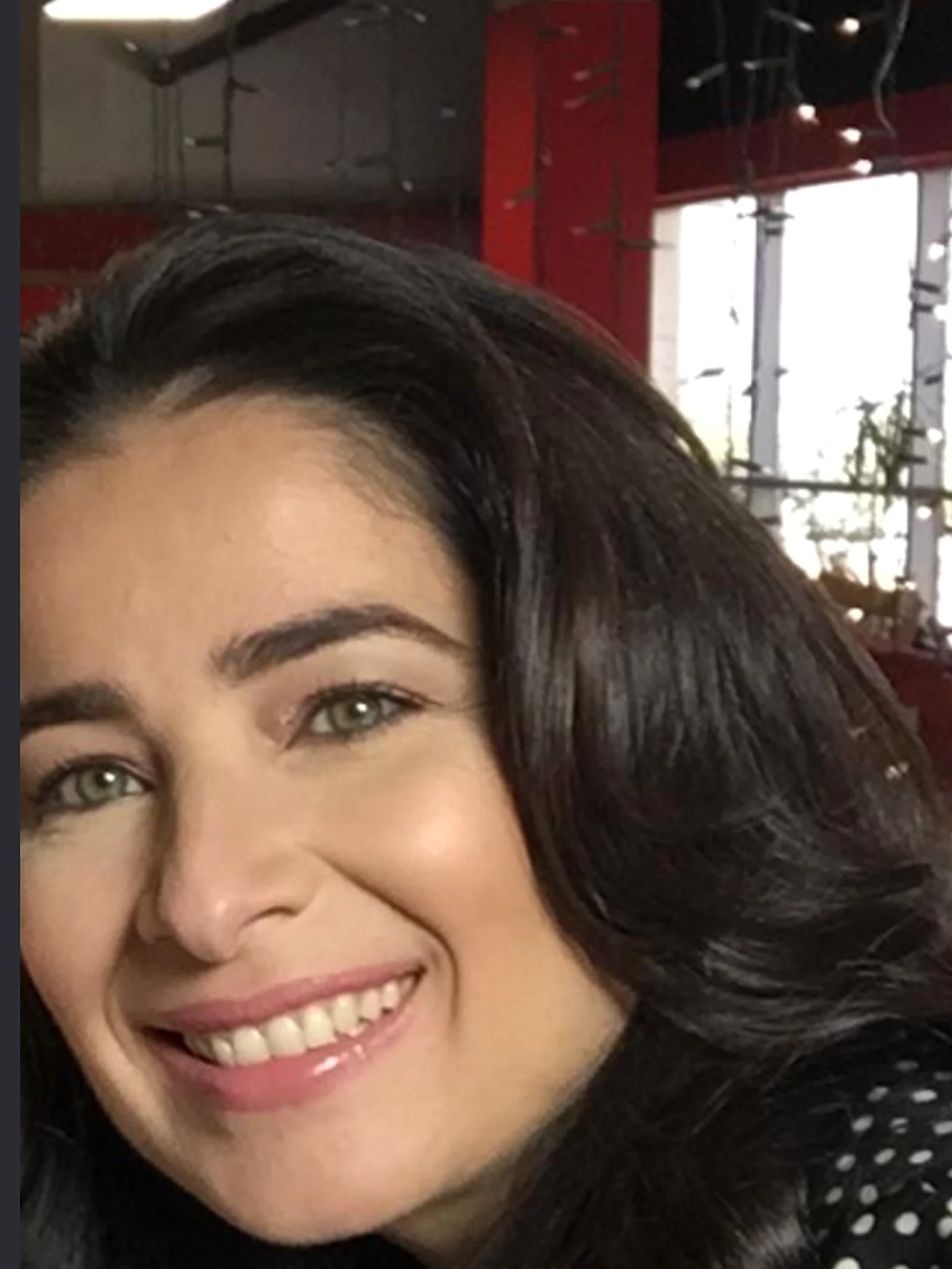
It moved from a balcony to a screen, from a screen to a ballot, from a ballot to a lake. The drawing on the screen is hers now. The name on it still belongs to someone else.
24 / The floor
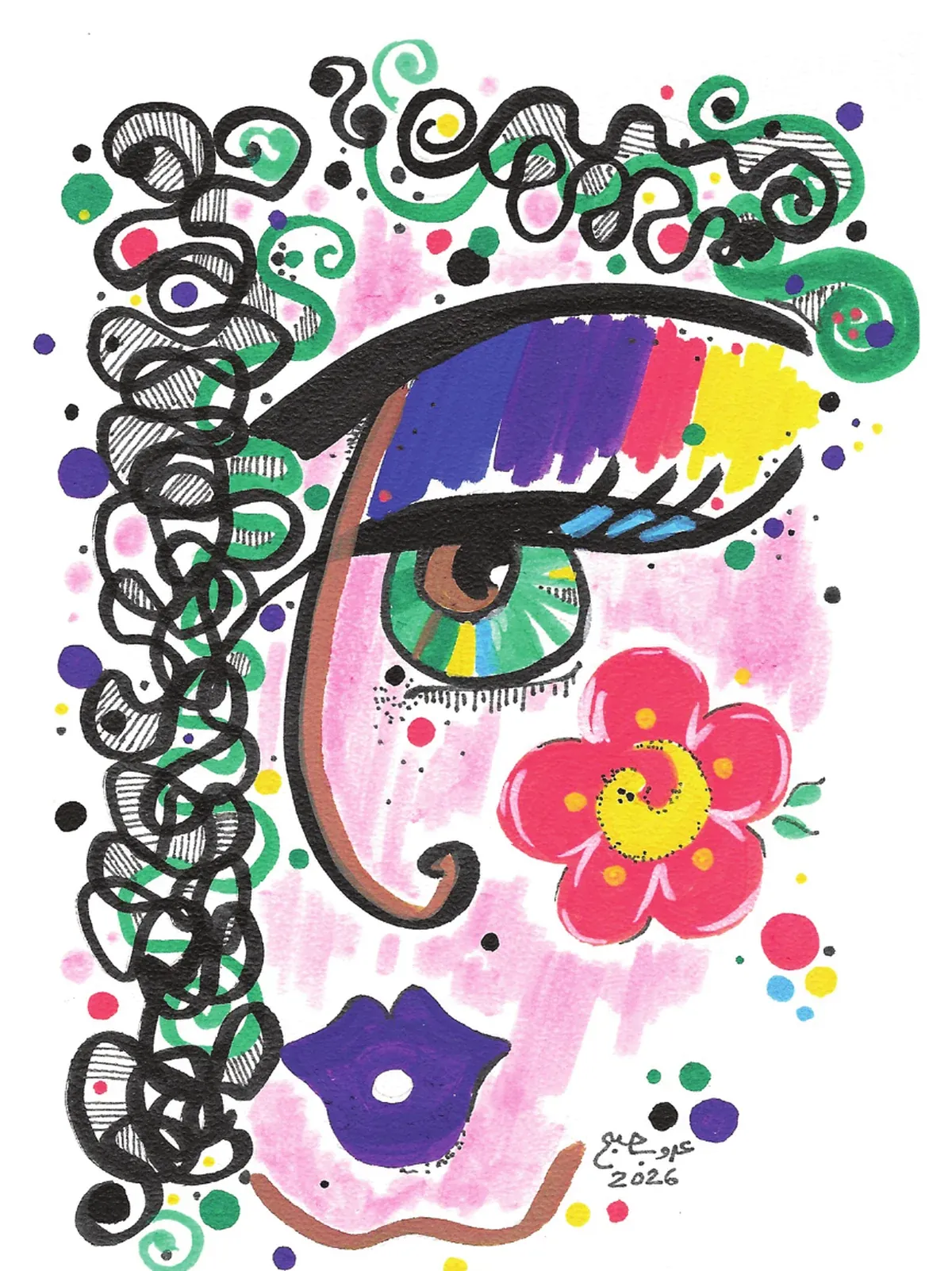
Then the page became a floor.

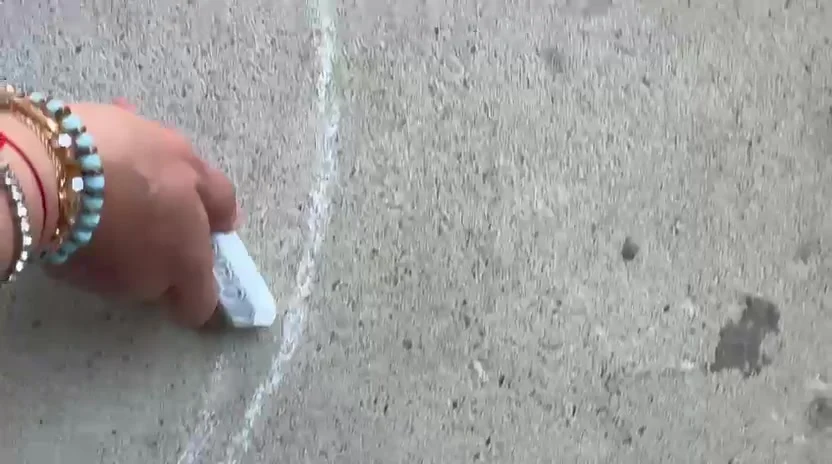
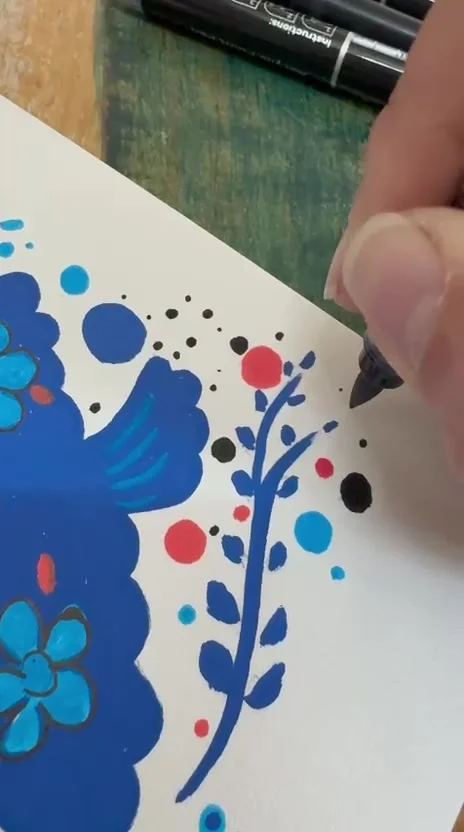
2026. The doorway of her sister's salon, Seela Salon, Matthews, North Carolina. A bird drawn in marker on a sheet of paper, then chalked onto the concrete at full size and filled in cobalt, red and white. She signed the pillar.
The clients stepped over the birds on their way in, and asked for them: the same drawing, printed, to take home. That is how the cards began.
25 / The First Six
The First Six
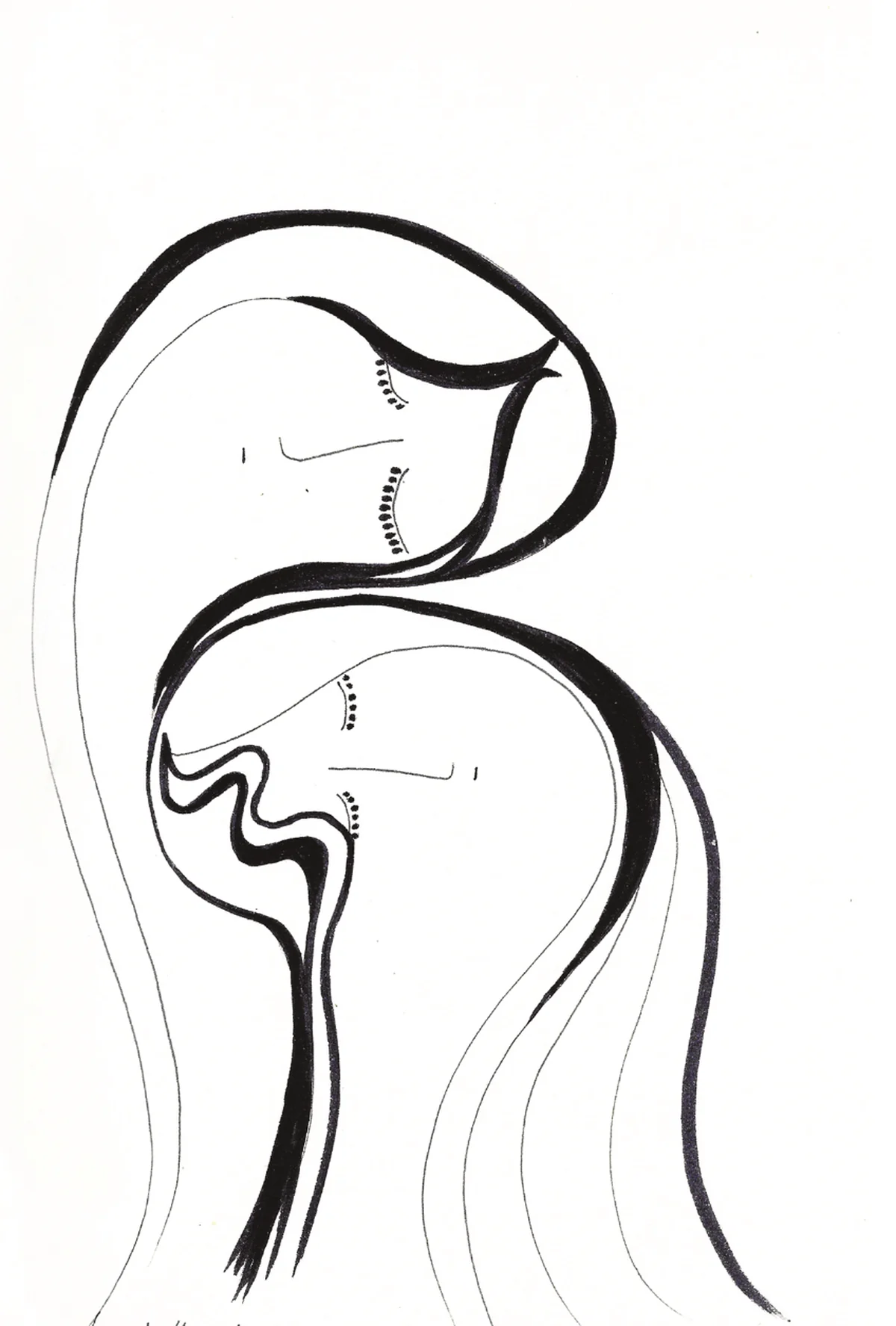
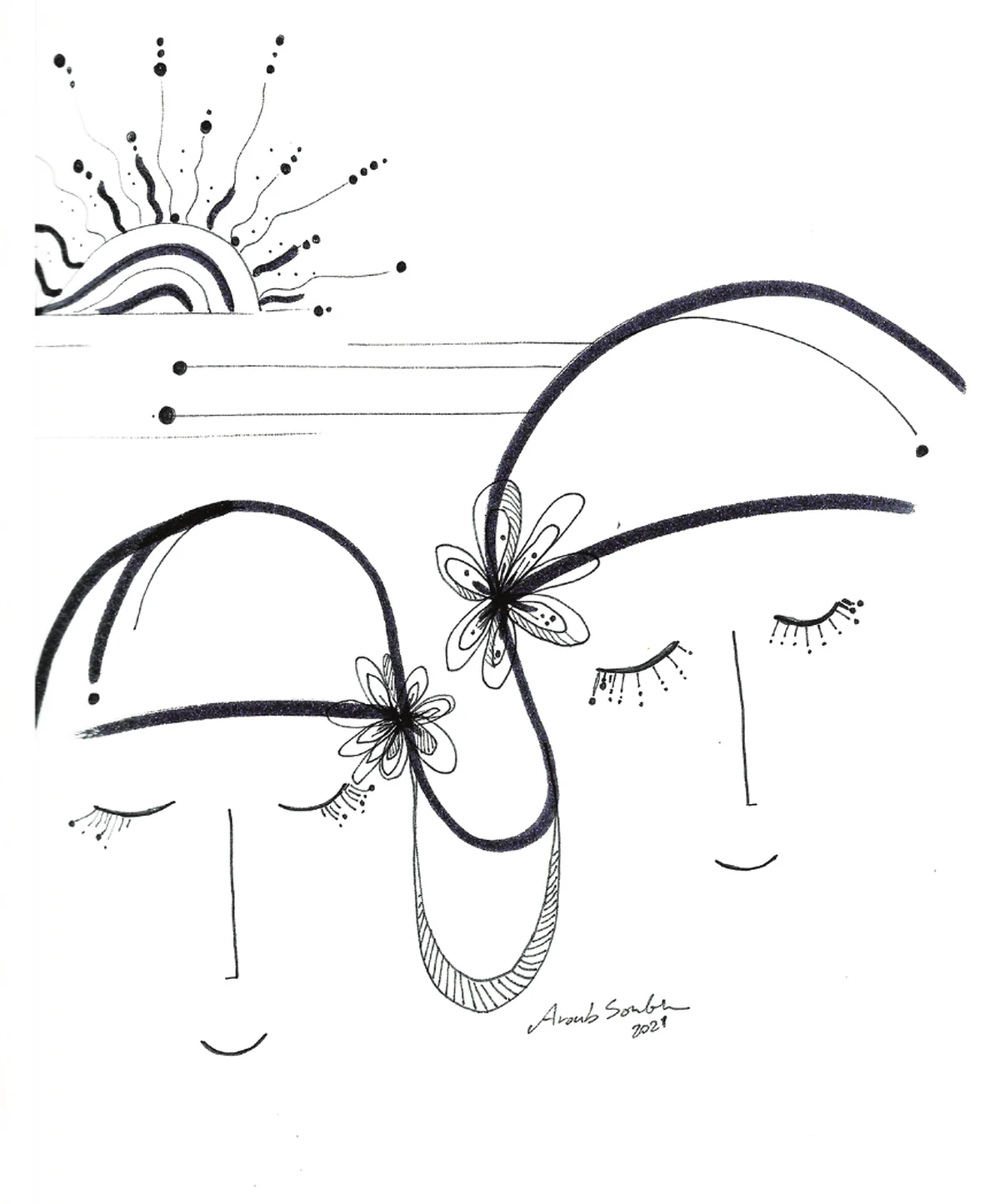
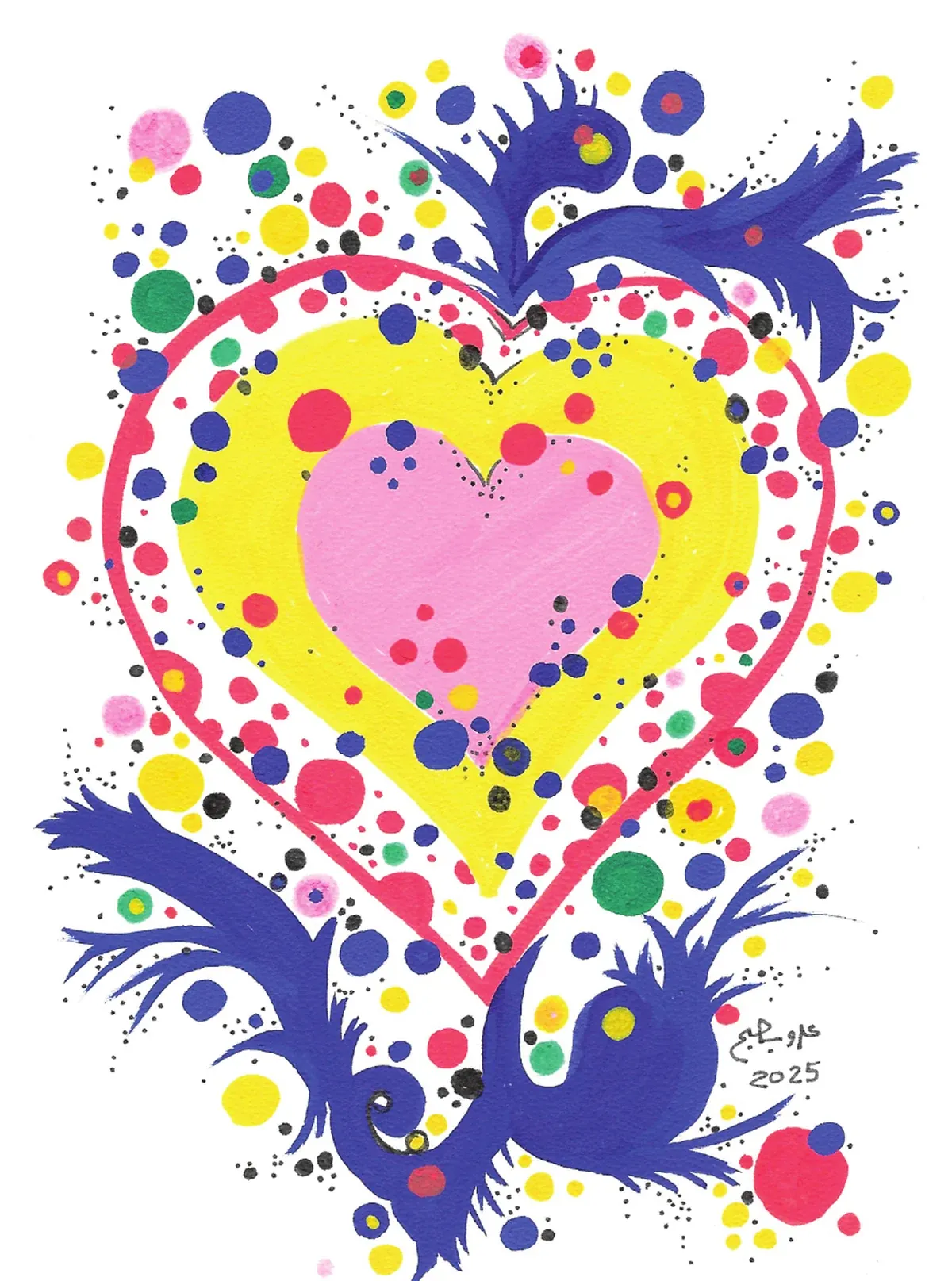
Six cards, printed from her originals. 5 × 7 inches, 100 lb uncoated cover, envelope included. Ready to ship.
The set of sixCAD $55
Shipping quoted after contact. Pickup available.
Order the set of six
26 / Who do you want seen?
Who do you want seen?
Thank you. She reads every one herself.
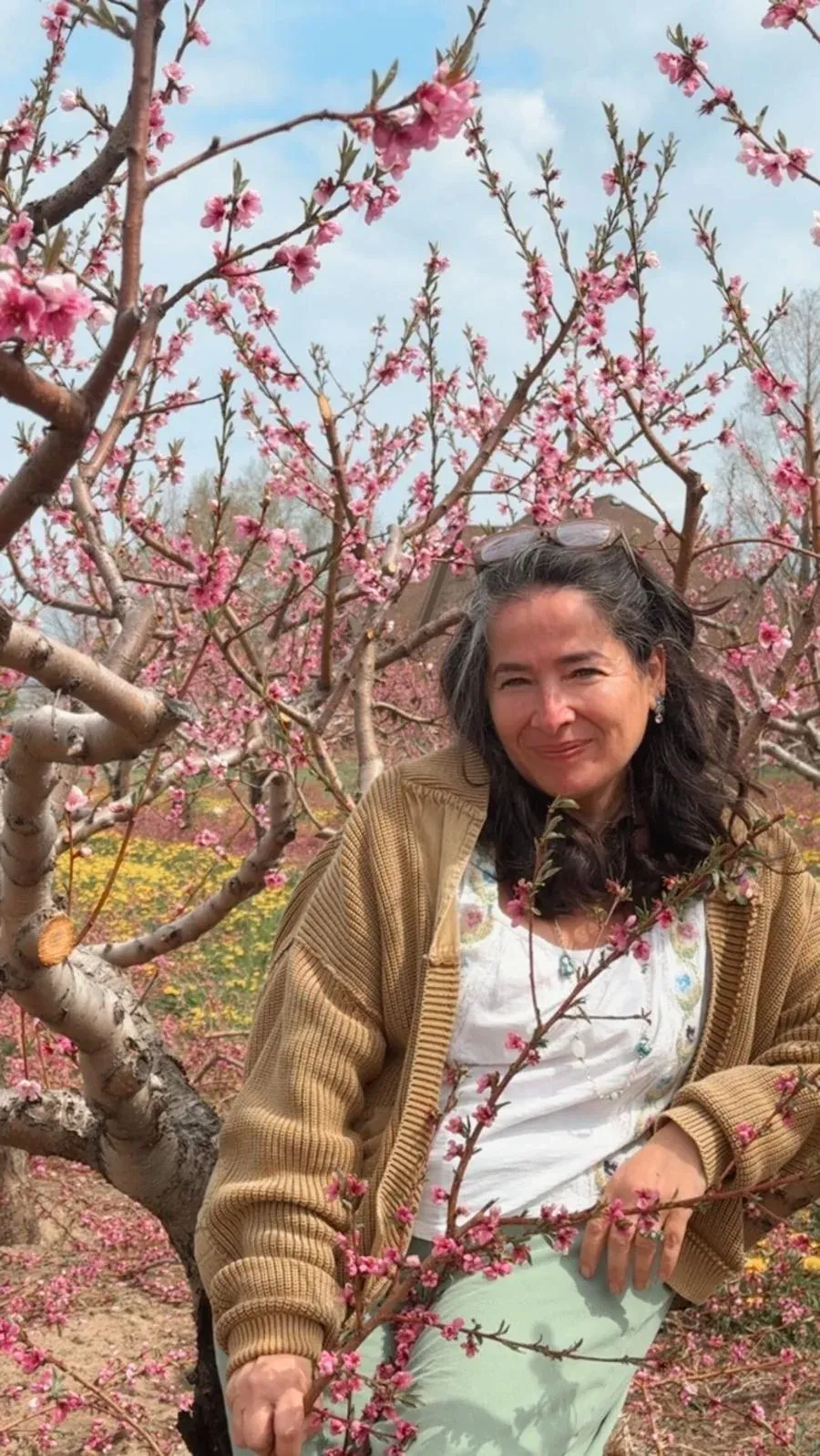
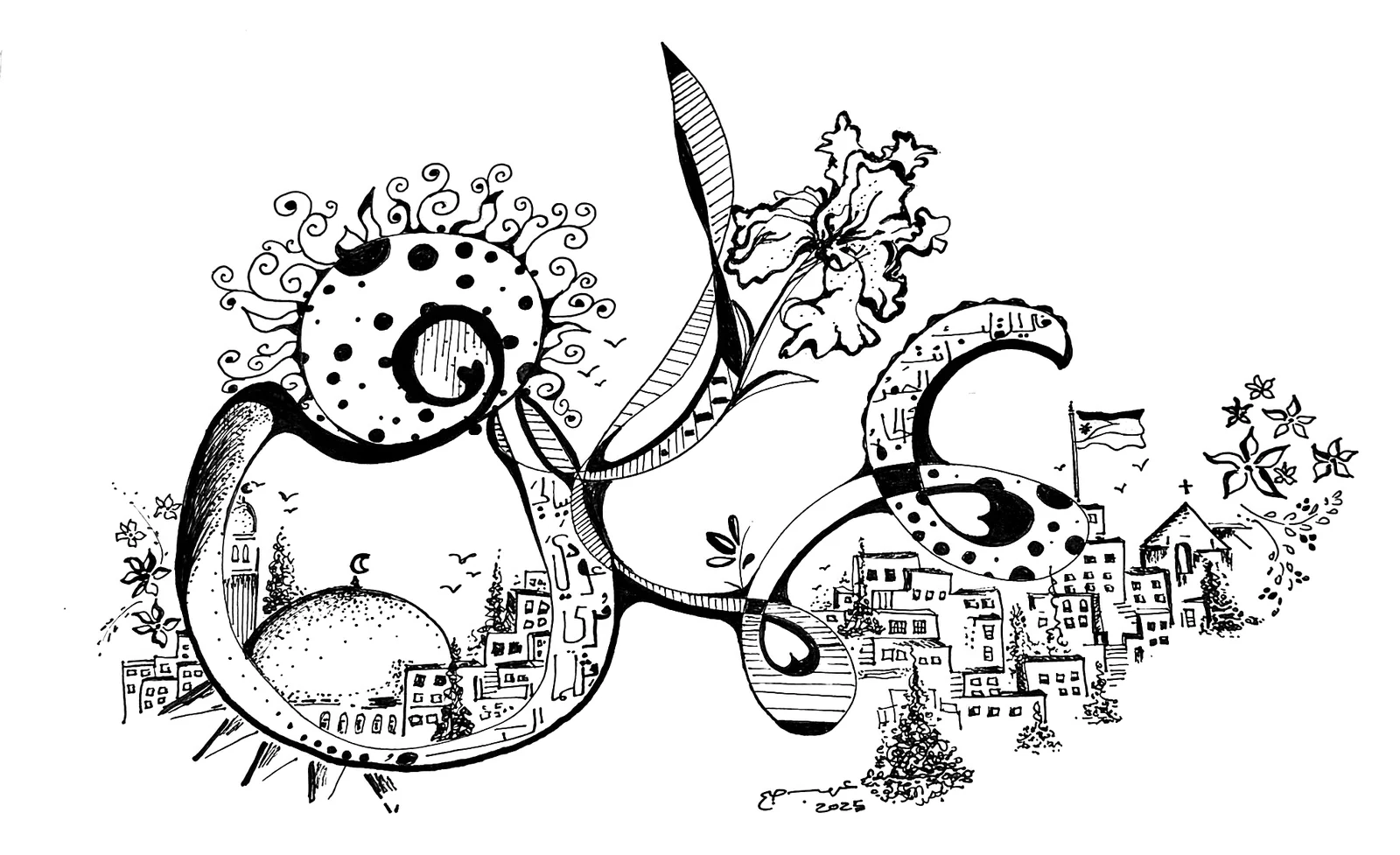
- A word
- A name, a word, a phrase.
- A5 from CAD $150 · A4 from CAD $200
- Illustrated word
- A word becomes a world.
- A5 from CAD $275 · A4 from CAD $350
- A person
- One person, from a photograph.
- A5 from CAD $295 · A4 from CAD $395
- Between us
- Two people. The relationship is the subject.
- A5 from CAD $425 · A4 from CAD $550
- A mural
- A wall or a floor. Like the salon.
- On request · Quoted after contact
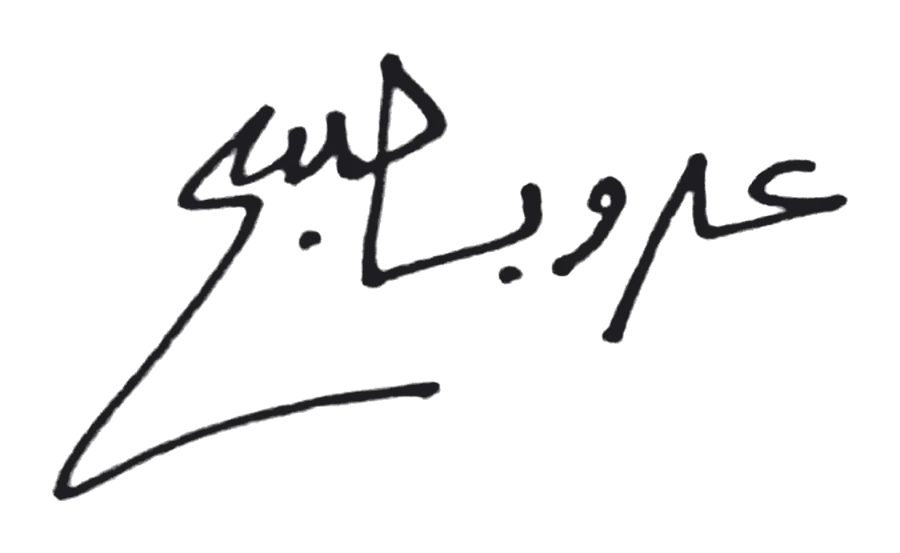 Every original is signed. Mixed media. A5 is her size; A4 on request. About three weeks for drawn work; murals on request. 50% deposit by Interac e-transfer. One refinement included, not a restart; further changes quoted separately. Shipping to Canada, the US and abroad quoted after contact; pickup available. Framing optional, quoted separately. Personal-use digital file, +CAD $60.
Send by email instead Opens your mail app. Sends nothing by itself.
NEXT / Colophon ↓